Transportation Infrastructure Charlotte County Florida: Driving Growth and Opportunity
September 24th, 2025
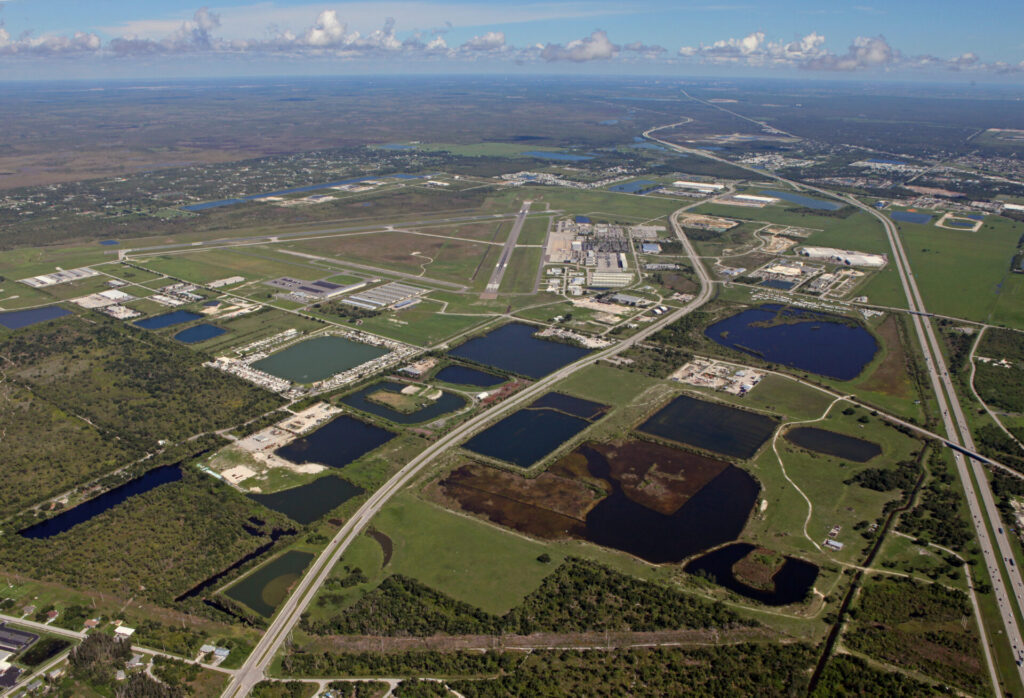
Charlotte County, Florida is on the move—literally. From Punta Gorda Airport’s record-breaking visitor numbers to trucking facilities along I-75 and proximity to major ports, the region’s transportation network is powering economic growth.
According to the September Update from PureFlorida.com, more visitors than ever are flying into PGD, and business travel is surging. At the same time, new infrastructure investments are making it easier for companies to relocate, expand, and thrive here. For site selectors, manufacturers, and logistics providers, transportation infrastructure Charlotte County Florida offers unmatched advantages.
Why Transportation Infrastructure Charlotte County Florida Matters
When companies consider a new location, three questions come first:
- Can people and products move easily?
- Is the region connected to markets?
- Will the workforce want to live there?
In Charlotte County, the answer is a resounding yes. The area blends strategic geography with quality of life, creating a one-two punch for site selection. Interstate 75 connects businesses north to Tampa and south to Miami. PGD provides air access for leisure and business travelers. And ports across the Gulf and Atlantic coasts keep global supply chains running.
This mix matters. Transportation doesn’t just move goods; it moves opportunity.
PGD: Punta Gorda Airport’s Rising Role in Business & Leisure Travel
The latest PureFlorida.com visitor report revealed two big milestones:
- 37% of all visitors flew into PGD—the highest percentage on record.
- 19% came primarily for a business conference or meeting, up from 10% in 2024.
Those numbers tell a powerful story. PGD isn’t just a gateway for vacationers—it’s becoming a hub for business connectivity. With direct flights from Allegiant and growing terminal capacity, the airport is now a tool for economic development.
Companies considering relocation see PGD as proof: Charlotte County is accessible, growing, and ready for investment.
Highways and Trucking Facilities Power Logistics Growth
Charlotte County’s logistics backbone runs along Interstate 75, one of America’s busiest north-south corridors. Trucks move quickly to Miami, Orlando, and Tampa. Distribution centers, warehouse parks, and last-mile facilities all benefit from this access.
Trucking facilities in Port Charlotte and across the county are expanding to meet rising demand. For logistics firms, the equation is simple: less time on the road equals more money saved. That efficiency strengthens the case for site selection in Charlotte County.
Port Access and Maritime Logistics
While Charlotte County doesn’t operate its own deepwater port, it sits in a sweet spot between several major maritime gateways:
- Port Tampa Bay (north)
- Port Manatee (northwest)
- Port Everglades (southeast)
This proximity gives manufacturers, importers, and exporters flexibility in choosing shipping routes. Companies can keep supply chains nimble, accessing both Gulf and Atlantic ports within a few hours’ drive. That’s a competitive edge many inland markets simply can’t offer.
Business Conferences and Meetings: A Surprising Driver
Another highlight from the September report: Charlotte County is drawing more conference travelers.
Requests for Proposals (RFPs) now range from 25–500 attendees, with confirmed bookings already secured. Meeting planners are seeking unique destinations that combine affordability with character. Charlotte County delivers both, with waterfront venues, boutique hotels, and local attractions.
This trend matters for economic development. Business travelers often return as investors, site selectors, or even residents. Every conference builds exposure, relationships, and long-term opportunity.
Tourism and Workforce Attraction Go Hand in Hand
Transportation infrastructure fuels not just business, but also workforce attraction. A great example is the Gulf Coast Host Program, which trains frontline hospitality staff to share local knowledge. Participants learn how to guide visitors to Charlotte County’s hidden gems—parks, beaches, trails, and cultural sites.
Why does this matter for employers? Because quality of life is workforce currency. A community that invests in tourism also creates an environment where skilled workers want to live, work, and raise families.
Sports Tourism as Infrastructure Showcase
In August, Charlotte County hosted the Southwest Florida Basketball Showcase and welcomed event organizers from the Connect Sports Conference. These visits spotlighted local facilities—from high school gyms to large multipurpose venues—that serve double duty.
For residents, they’re places to play. For businesses, they’re proof of community investment. Sports tourism demonstrates that Charlotte County’s infrastructure isn’t one-dimensional—it works for families, athletes, and employers alike.
International Connectivity and Trade Opportunities
Tourism officials also reported new international partnerships. In the UK, Barrhead Travel in Glasgow confirmed new bookings, while German operators including DISCOVER Airlines and TUI are exploring FAM trips. Charlotte County’s presence on the Visit USA Germany website adds even more visibility.
Why should businesses care? Because international exposure lifts all sectors. As more global travelers discover Charlotte County, awareness grows among foreign investors, logistics firms, and advanced manufacturers looking for U.S. expansion.
Charlotte County’s Infrastructure Advantage for Site Selection
When site selectors weigh Charlotte County against competitors, transportation infrastructure often tips the scale. The region offers:
- Air access via PGD
- Highway connectivity via I-75
- Port proximity
- Skilled workforce supported by livability
Add in industrial parks, shovel-ready sites, and warehouse space near Fort Myers and Port Charlotte, and the case becomes clear. Businesses gain logistics efficiency and employees gain quality of life.
Looking Ahead: Strategic Investments in Mobility and Growth
The future looks even stronger. PGD continues to expand. Roadway improvements are underway to ease freight and commuter traffic. Sustainable mobility solutions are being explored for long-term resilience.
Charlotte County leaders know that infrastructure isn’t a one-time investment—it’s a constant commitment. And that commitment is paying off.
Conclusion: Charlotte County is Built to Move Business Forward
Transportation infrastructure Charlotte County Florida is more than roads and runways—it’s the backbone of opportunity. From record PGD arrivals to booming trucking and maritime access, the county is positioned as a hub for business, tourism, and workforce growth.
For companies seeking a location that connects markets, attracts talent, and supports long-term success, Charlotte County delivers.
FAQs
What makes transportation infrastructure Charlotte County Florida unique?
It combines air, highway, and port access with a community focused on livability, making it attractive to both businesses and residents.
Why is PGD important for site selectors?
PGD proves Charlotte County is connected, affordable, and growing—key factors for relocation and expansion decisions.
How does trucking support the local economy?
Trucking facilities along I-75 streamline freight movement, saving businesses time and costs while boosting logistics growth.
Does tourism really help business recruitment?
Yes. Tourism highlights quality of life, which is often the deciding factor for workforce attraction and site selection.
What role do ports play in Charlotte County’s economy?
Proximity to multiple Gulf and Atlantic ports gives companies flexible shipping options and resilient supply chains.
Is Charlotte County planning more infrastructure investment?
Yes. Ongoing airport expansions, road improvements, and sustainable transport initiatives show continued commitment to growth.
Sources & Further Reading: