Seminole Gulf Railway Strengthens Southwest Florida’s Rail Corridor for Growth
February 17th, 2026
PRESS RELEASE – Seminole Gulf Railway LP Begins 11.5 mile rehabilitation
-

- Courtesy of Seminole Gulf Railway Upgrades Rail Line in Southwest Florida
-

- Courtesy of Seminole Gulf Railway Upgrades Rail Line in Southwest Florida
Seminole Gulf Railway Begins Rail Corridor Upgrade in Southwest Florida
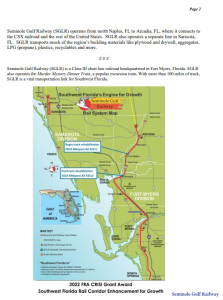
Photo Courtesy of Seminole Gulf Railway
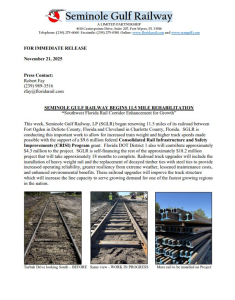
Photo Courtesy of Seminole Gulf Railway
Seminole Gulf Railway has started a major infrastructure improvement project in Southwest Florida. The work focuses on a section of freight rail that serves Charlotte County and DeSoto County.
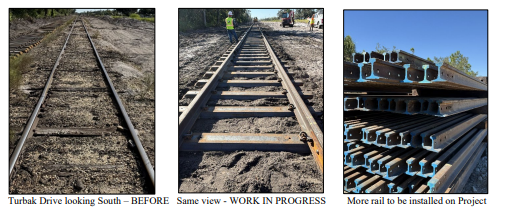
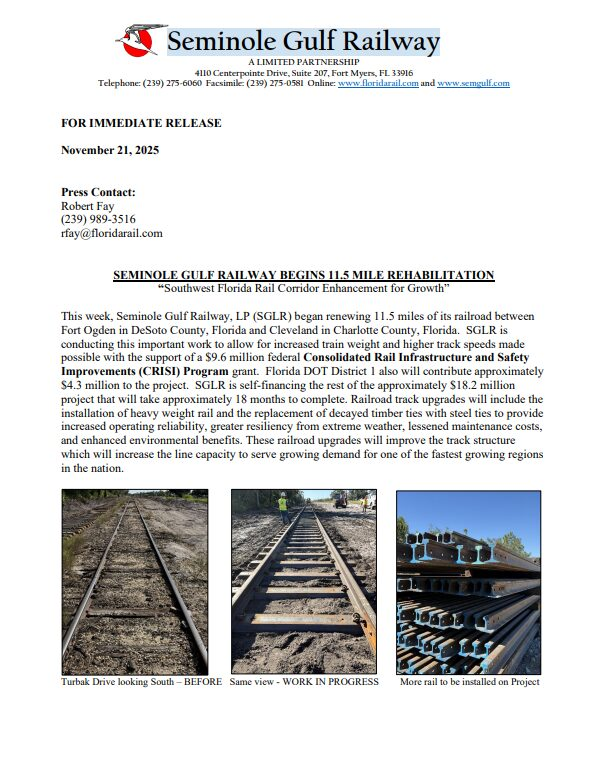
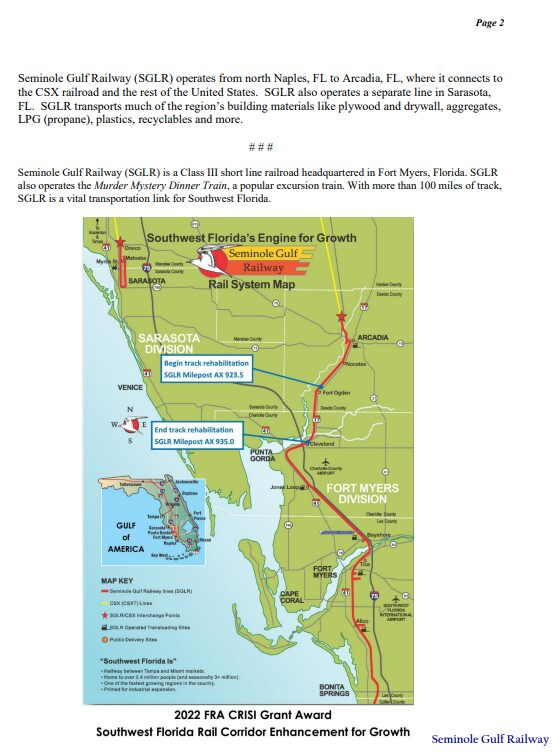
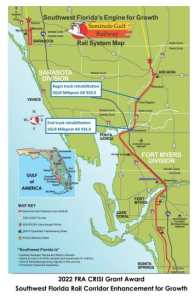
As stated in the press release, the railway is rehabilitating 11.5 miles of track between Fort Ogden and Cleveland. The project is part of a broader effort to strengthen the regional rail corridor and prepare it for future demand.
The Rail Rehabilitation Project
Location and Scope
The upgraded section runs through inland Southwest Florida, an area experiencing steady development and construction activity. The goal is to allow trains to carry heavier loads and operate more efficiently.
According to the press release, crews are installing heavier rail and replacing aging timber ties with steel ties. These materials are expected to improve reliability and reduce maintenance needs over time.
Funding and Timeline
The project is funded through a combination of federal, state, and private investment.
As noted in the press release, the railway received a $9.6 million Consolidated Rail Infrastructure and Safety Improvements grant. The Florida Department of Transportation District 1 is contributing approximately $4.3 million, and Seminole Gulf Railway is funding the remainder of the approximately $18.2 million project.
Construction is expected to take about 18 months.
Track Improvements
The upgrades are designed to support heavier trains and higher track speeds. The press release also explains the improvements should increase operating reliability and provide greater resilience during severe weather.
Modern materials may also lower maintenance costs and provide environmental benefits by improving efficiency.
Courtesy of Seminole Gulf Railway
Why the Railway Matters to the Region
Freight and Construction Materials
Seminole Gulf Railway plays an important role in the local supply chain. As described in the press release, the railway transports building materials such as plywood and drywall, as well as aggregates, plastics, recyclables, and propane.
These shipments support construction projects, infrastructure work, and local businesses throughout Southwest Florida.
Connection to the National Network
The railway operates from northern Naples to Arcadia, where it connects to the CSX railroad system. This connection links Southwest Florida businesses to national markets.
The company also operates a separate line in Sarasota, expanding its service area across the region.
Industries Served
The press release identifies Seminole Gulf Railway as a Class III short line railroad with more than 100 miles of track. Because of that network, the railway supports manufacturing, distribution, and construction industries that depend on reliable freight transportation.
What the Upgrade Means for Southwest Florida
Reliability and Capacity
The improvements will increase the line’s capacity and allow trains to move more efficiently. As stated in the press release, the upgraded track structure is expected to improve operating reliability and strengthen resilience during extreme weather.
Supporting Growth
Southwest Florida continues to grow in population and development. Reliable freight transportation helps ensure building materials and industrial goods reach the region on time.
Long-Term Infrastructure Value
Rail infrastructure often operates behind the scenes, but it plays a major role in economic stability. According to the press release, the project is intended to meet the needs of one of the fastest-growing regions in the country.
By upgrading an existing corridor, the project strengthens transportation infrastructure already in place and supports long-term regional growth.