Semiconductor Manufacturing Florida: A Powerful New Era for Innovation and Jobs
September 24th, 2025
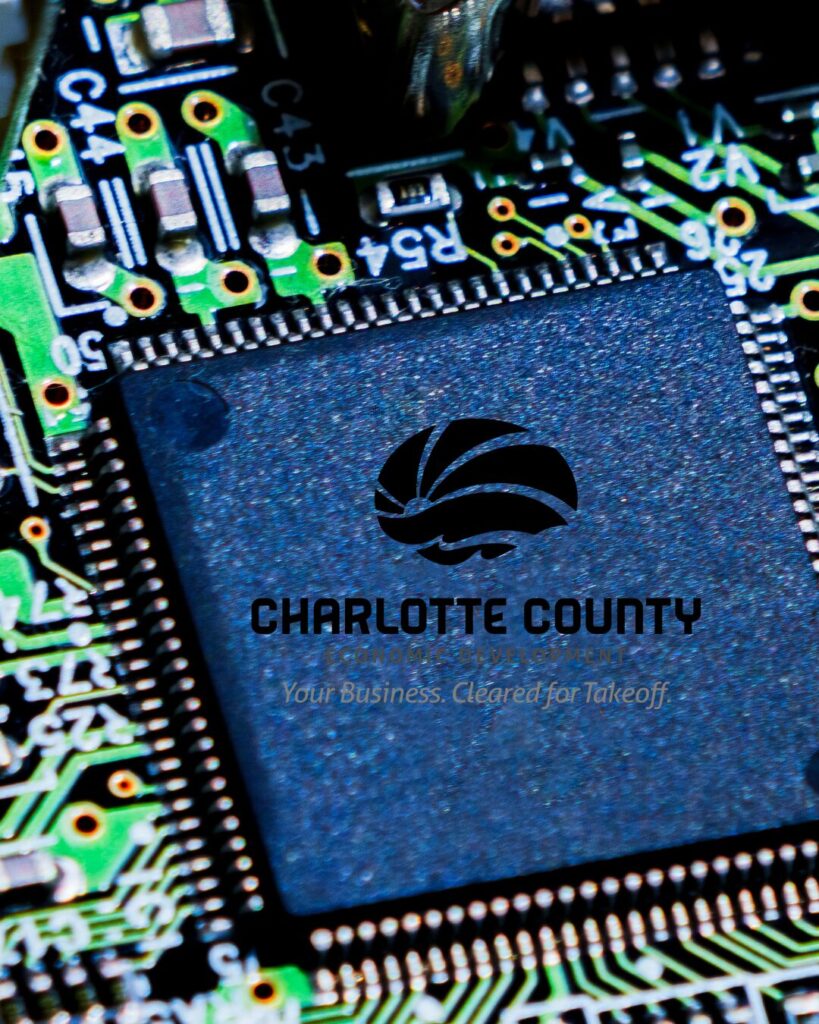
Florida has officially stepped into the spotlight of the global semiconductor industry. Already ranked #5 in the nation for semiconductor jobs and #3 for establishments, the Sunshine State is no longer just competing—it’s leading. With the state’s new Memorandum of Understanding (MoU) signed with Taiwan, Florida is poised to expand manufacturing, attract suppliers, and strengthen its place in one of the world’s most critical industries.
But here’s the real story: while headlines highlight Florida as a whole, regions like Charlotte County stand out as prime beneficiaries of this global partnership. Why? Because Charlotte County combines affordable industrial space, multimodal logistics, and a skilled workforce that make it an ideal hub for suppliers and advanced manufacturers who want to connect to Florida’s booming semiconductor ecosystem.
Semiconductors are everywhere—in phones, vehicles, defense systems, medical devices, and clean energy technologies. Florida’s growth means more opportunities for site selectors, investors, and communities ready to support this supply chain. And Charlotte County, nestled along I-75 with direct air access via Punta Gorda Airport (PGD), is positioned to deliver.
Why the Taiwan Partnership Matters for Florida’s Economy
The partnership between Florida and Taiwan is no small handshake—it’s a strategic move with global consequences. Taiwan is the world’s leader in semiconductor production, home to companies that supply chips used in everything from electric cars to fighter jets. By deepening ties with Taiwan, Florida is opening doors for trade, investment, and technology exchange.
For Charlotte County, that means more than international headlines. It means a chance to attract suppliers who want U.S. locations closer to their customers. It means opportunities for companies in aerospace, defense, medical tech, and logistics to align with new players entering the market. And it means high-wage jobs for local residents, fueling a cycle of prosperity.
When Florida Department of Commerce Secretary J. Alex Kelly and Taiwan International Trade Administration Director General Cynthia Kiang signed the MoU, they didn’t just commit to semiconductor growth. They outlined priority sectors including aerospace, advanced manufacturing, life sciences, logistics, and clean technology—all industries where Charlotte County already has momentum.
Governor’s Global Mission and International Agreements
This partnership builds on a broader Florida strategy. Governor Ron DeSantis has prioritized global business missions to strengthen trade ties and expand international investment. In 2022, missions to Japan, South Korea, Israel, and the United Kingdom set the stage. Taiwan is now part of that story, and the implications are enormous.
For Charlotte County, international agreements mean more visibility for its industrial assets. When global companies look at Florida, they eventually drill down to regions with the right mix of location, land, and labor. Charlotte County checks all three boxes. With shovel-ready industrial parks, a deepwater port nearby, and the ability to scale logistics through PGD and I-75, the county is positioned to welcome new suppliers seeking cost-effective U.S. operations.
Think of it this way: Florida may win the MoU, but Charlotte County wins when suppliers need a place to build.
Advanced Manufacturing in Florida: Beyond Semiconductors
Semiconductors may be the headline, but the MoU also strengthens Florida’s broader advanced manufacturing sector. Aerospace, marine technology, medical devices, and clean energy are all part of the agreement.
Charlotte County is already diversifying in these areas:
- Aviation maintenance and training at Charlotte Technical College and PGD’s expanding aviation hub.
- Marine technology along the coast, supported by local manufacturers and service providers.
- Medical manufacturing tied to the region’s growing healthcare ecosystem.
Advanced manufacturing isn’t just about machines—it’s about ecosystems. Charlotte County’s blend of industrial space, workforce programs, and community partnerships creates fertile ground for industries that thrive on innovation.
Charlotte County Offers Prime Industrial Sites for Semiconductor Suppliers
Let’s get specific. Why Charlotte County?
- Industrial space availability: Compared to crowded metros like Miami or Tampa, Charlotte County offers affordable, scalable industrial real estate. Companies can secure warehouse or manufacturing space without the sky-high costs.
- Strategic location: Located along I-75, Charlotte County connects quickly to Tampa, Miami, Orlando, and Fort Myers. It’s a sweet spot for distribution.
- Air access through PGD: Punta Gorda Airport isn’t just for travelers—it’s a business asset. With cargo capabilities expanding, it gives suppliers air access to national and global markets.
- Port proximity: With Port Manatee and Port Tampa Bay within reach, manufacturers gain easy access to shipping routes.
When you stack those advantages, Charlotte County becomes a natural fit for semiconductor suppliers and advanced manufacturers who want efficiency without compromising growth potential.
Job Creation and Workforce Development in High-Tech Industries
A global industry requires a local talent pipeline. That’s where Charlotte County shines.
- Charlotte Technical College (CTC): Training in aviation maintenance, welding, and advanced manufacturing.
- Florida SouthWestern State College (FSW): Programs in engineering technology, logistics, and supply chain management.
- Florida Gulf Coast University (FGCU): Producing STEM graduates ready for high-tech industries.
These institutions work closely with employers to align curricula with real-world skills. For semiconductor suppliers, that means confidence that they can recruit and retain talent locally.
And here’s the bonus: wages in high-tech industries are well above the county average, meaning residents gain upward mobility while companies secure a motivated workforce.
Florida’s Logistics and Supply Chain Strength
Semiconductors and advanced manufacturing can’t thrive without strong logistics. That’s another area where Charlotte County holds an edge.
- Interstate access: I-75 runs right through the county, connecting to Miami in the south and Tampa in the north.
- Trucking facilities: Local and regional carriers provide reliable freight services.
- Air freight through PGD: Punta Gorda Airport is expanding capacity, supporting business needs beyond passenger service.
- Port access: With multiple Gulf ports nearby, exports and imports flow easily.
For suppliers, this logistics network means speed to market. In industries where supply chain delays can cost millions, Charlotte County’s connectivity becomes a competitive advantage.
Innovation, Resilience, and National Security
The global semiconductor shortage during the pandemic revealed a vulnerability: overreliance on overseas supply. Florida’s partnership with Taiwan isn’t just about growth—it’s about resilience.
For Charlotte County, this is a chance to contribute to national security. Hosting suppliers and advanced manufacturers locally reduces foreign dependency, strengthens domestic production, and positions the region as a critical link in the U.S. supply chain.
This is more than economics. It’s about safeguarding industries that power defense, healthcare, and energy. Charlotte County’s role may be local, but its impact is global.
Sustainability and Clean Technology Collaboration
The MoU also calls out sustainability and clean tech. Florida and Taiwan are aligning on energy efficiency, green manufacturing, and climate-resilient infrastructure.
Charlotte County is no stranger to resilience. From hurricane readiness to energy-efficient construction, the community embraces sustainability. For companies, that means they can build operations in a place that values both growth and environmental stewardship.
As clean tech becomes a larger part of semiconductor and advanced manufacturing supply chains, Charlotte County offers an attractive balance: affordable industrial space in a community committed to sustainability.
Looking Ahead: How Businesses Can Get Involved
So what’s next? For companies considering site selection, the message is clear: Florida is open for business, and Charlotte County is ready to deliver.
The Charlotte County Economic Development Office (EDO) works directly with site selectors, manufacturers, and logistics firms to identify the right properties and incentives. Whether it’s a warehouse, a manufacturing facility, or a logistics hub, the county offers prime industrial sites tailored for semiconductor suppliers and advanced manufacturers.
Businesses can also tap into local resources:
- Workforce training partnerships.
- Incentive programs for relocating or expanding.
- Support for navigating permitting and site selection.
The path forward is collaborative, and the opportunity is enormous.
Conclusion: Florida’s Bright Future in Semiconductor Manufacturing
The Florida–Taiwan semiconductor partnership marks a new era of growth. For the state, it strengthens global ties and secures a leading role in advanced manufacturing. For Charlotte County, it’s a chance to shine as a local hub for suppliers, logistics, and high-tech innovation.
With affordable space, strategic location, strong workforce programs, and robust logistics, Charlotte County is not just part of Florida’s semiconductor story—it’s a cornerstone. Companies that invest here won’t just find opportunity. They’ll find a community ready to grow with them.
FAQs
What is Semiconductor Manufacturing Florida’s new partnership with Taiwan about?
It’s an MoU to expand trade, investment, and collaboration in semiconductors, aerospace, medical technology, logistics, and clean tech.
Why is Charlotte County a good location for semiconductor suppliers?
It offers affordable industrial space, strategic I-75 access, PGD airport connectivity, and proximity to Gulf ports.
How does this create jobs in Charlotte County?
Suppliers bring high-wage jobs in advanced manufacturing, logistics, and technology, boosting local income levels.
What role do local schools and colleges play?
Charlotte Technical College, FSW, and FGCU align programs with employer needs, creating a strong workforce pipeline.
How does this benefit site selectors?
Charlotte County offers shovel-ready sites, supportive incentives, and a pro-business climate tailored to manufacturers.
Is sustainability part of this growth?
Yes. The MoU emphasizes clean tech and resilience, areas where Charlotte County is already building capacity.
Sources
- SelectFlorida: State of Florida Signs MoU with Taiwan
- Semiconductor Industry Association
- Florida Trend: Advanced Manufacturing Growth
- Charlotte County Economic Development Office