Florida Workforce Strategy: Why Talent Is the New Tool
June 26th, 2025
Introduction
Listen to Podcast here.
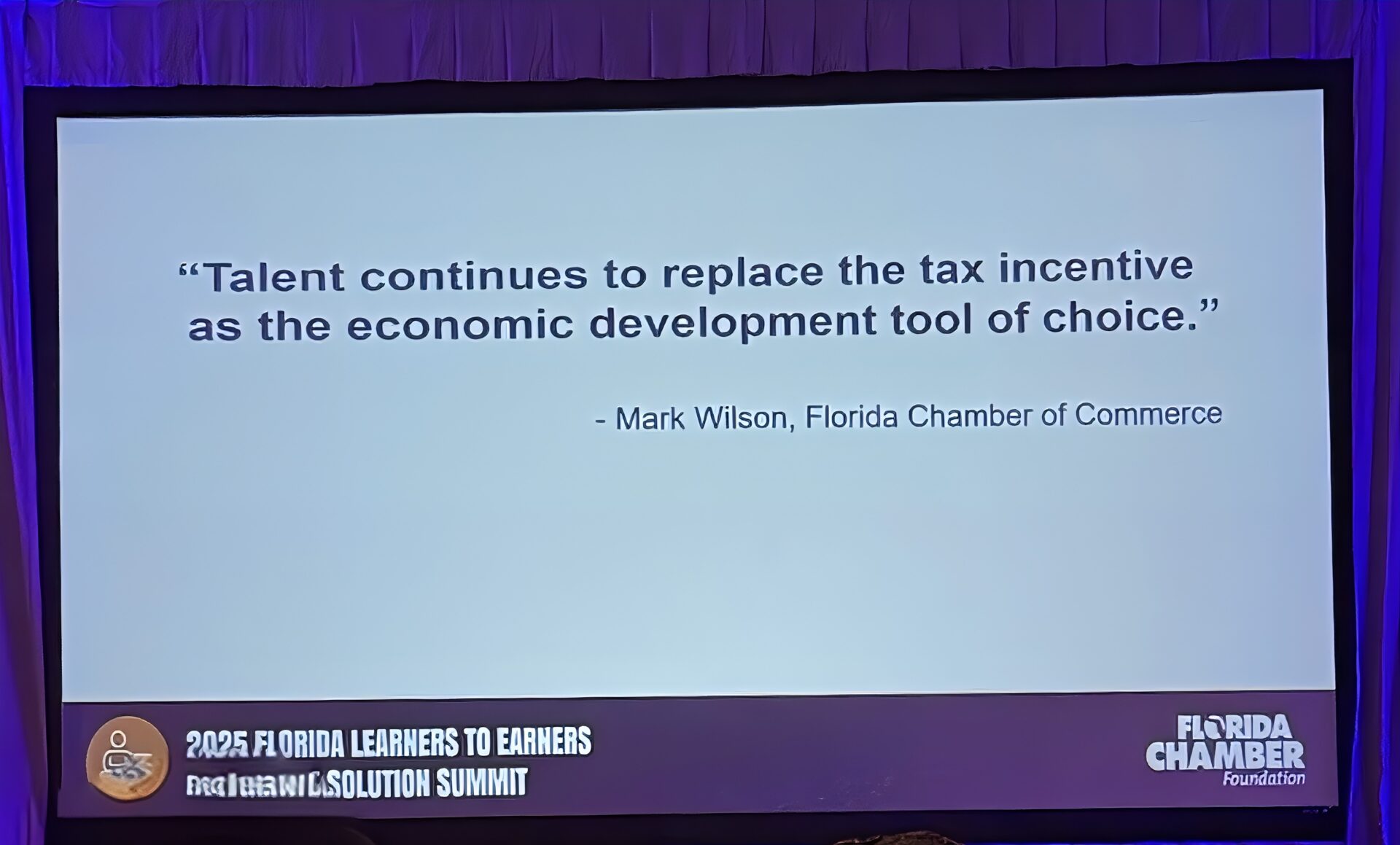
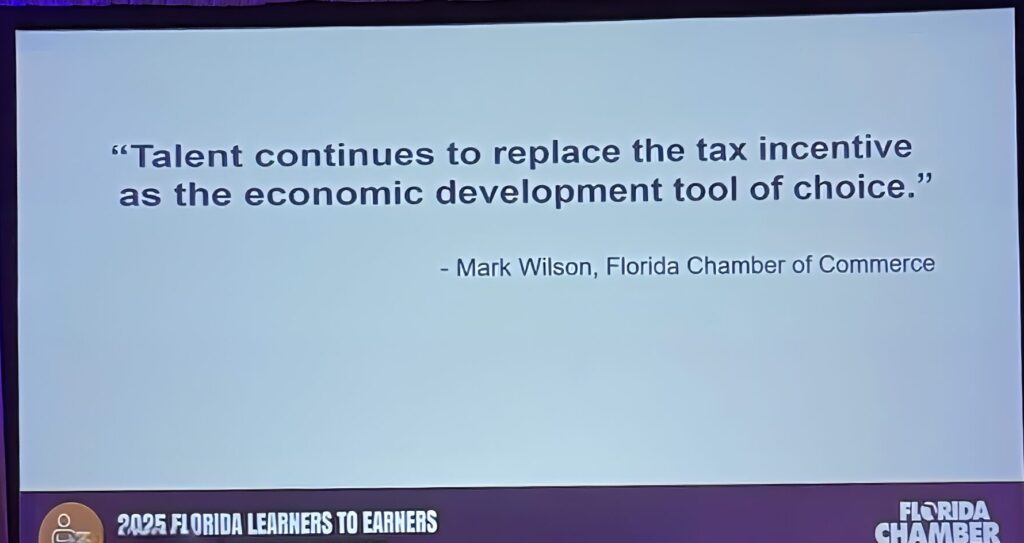
Florida’s workforce strategy is making headlines—and it’s not just because of new programs or flashy initiatives. At the 2025 Learners to Earners Workforce Summit, hosted by the Florida Chamber Foundation, leaders across the state rallied around one powerful message: Talent is the new tool. That statement reflects a profound shift in how Florida is building its economic future—by putting human capital at the center of its strategy. As someone who attended the summit, I witnessed firsthand how this new approach is shaping the future of work and what it means for counties like Charlotte.
Florida’s Workforce Strategy Starts in the Classroom
The Florida workforce strategy doesn’t begin at college—it starts in elementary school. Summit presenters emphasized a compelling statistic: students who can’t read at grade level by third grade are four times more likely to drop out of high school. That’s why Florida is treating early literacy as a workforce issue, not just an education metric.
Through partnerships with the Lumina Foundation, Florida has committed to ensuring that 75% of working-age residents will hold a credential of value by 2040. This includes degrees, yes—but also industry-recognized certifications and skills that lead to good-paying jobs. The Florida workforce strategy is about aligning education with employability from the earliest stages.
Using Data to Drive Workforce Outcomes
What makes this workforce strategy so effective is its reliance on data. Florida leaders showcased two powerful tools at the summit: the Florida Scorecard and the Postsecondary Metrics Dashboard. These platforms track real-world outcomes, including graduation rates, job placements, and salary trends—giving policymakers and educators clear feedback loops.
This data-first approach helps Florida align investments with impact. It’s also part of the reason why Florida has been ranked #1 in higher education by U.S. News & World Report for nine consecutive years. The Florida workforce strategy is grounded in accountability, measurement, and action.
Childcare: A Core Pillar of Workforce Success
Another central theme of the summit was childcare—and its direct link to workforce participation. According to data shared during the event, 77% of working parents have made major career decisions due to childcare access. The economic cost of this is staggering, with billions in lost wages and missed opportunities.
The Florida workforce strategy recognizes childcare as essential infrastructure. Employers are stepping up—offering on-site childcare, flexible work arrangements, and partnerships with local providers. These investments aren’t just good for families—they’re improving retention and productivity, making them a smart business move.
Apprenticeships and Stackable Credentials Transform Lives
Apprenticeships are central to Florida’s workforce strategy. At the summit, speakers highlighted how programs like those offered by Florida Power & Light and Miller Electric are creating new pathways into high-wage careers. Participants can “earn while they learn,” gaining hands-on experience and certifications that hold real value in the job market.
One particularly moving story came from a man who was once homeless and is now a certified HVAC technician thanks to a paid apprenticeship program. The Florida workforce strategy prioritizes these stackable credentials—short-term, career-aligned certifications that allow adults to build skills over time without pausing their income.
Planning for Future Jobs with Predictive Tools
Florida is also using AI and predictive analytics to forecast workforce needs. One key insight shared at the summit is that middle school is now the target age for career exposure, as research shows students often form career interests by the time they reach high school.
The state’s proactive approach includes integrating career exploration into school curriculums, expanding technical education options, and aligning funding with projected industry demand. It’s a forward-thinking model that reflects the Florida workforce strategy’s commitment to long-term economic resilience.
Charlotte County’s Role in the Statewide Workforce Vision
Here in Charlotte County, we’re putting the Florida workforce strategy into action. Our partnerships with Charlotte Technical College, Florida SouthWestern State College, and local employers help us prepare students, support career changers, and build programs that meet real industry needs.
Our region is also exploring how we can expand early learning support, increase apprenticeship opportunities, and connect students to career pathways as early as middle school. The summit underscored that workforce development is no longer the job of schools alone—it’s a shared mission across business, government, and community.
Conclusion
The Florida workforce strategy represents a shift from reactive to proactive, from disconnected programs to a unified system. It spans education, housing, childcare, transportation, and workforce training—all connected by one guiding principle: talent is the new tool.
Charlotte County is proud to be part of this vision. We know that building a strong, adaptable workforce isn’t just about today’s jobs—it’s about tomorrow’s economy. And we’re ready.